
Gardening for Wildlife
Native Gardening for Birds and Other Wildlife - Certify Your Yard!!
Wild Birds Unlimited of Syosset is proud to champion the National Wildlife Federation Certified Wildlife Habitat program. With North American bird populations down 29% over the last 50 years, backyard habitats are more critical than ever. You can make a difference by planting native trees, shrubs, and flowers that provide food, shelter, and nesting spots for birds, bees, butterflies, and other wildlife.
Why Choose Native Plants?
Native plants support native insects, the primary food for almost all land birds, especially during nesting season.
For example, a native oak can host over 550 species of caterpillars, while a non-native Callery pear supports only four.
Birds, pollinators, and even your garden’s ecosystem thrive when native plants dominate.
Tips for Your Backyard Habitat:
Plant species that bloom spring through fall and provide host plants for butterflies.
Layer plantings from tree canopy to ground level.
Provide water sources—birdbaths, ponds, or shallow “puddling” areas for butterflies.
Leave leaf litter and brush piles for shelter and nesting.
Avoid pesticides; they harm wildlife and pollinators.
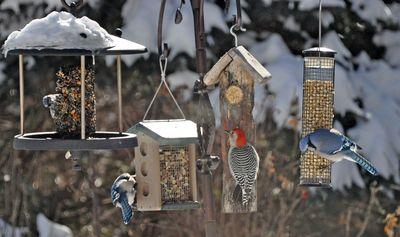
Include bird feeders to supplement natural food.
Native gardening saves time and money once established, provides year-round beauty, and supports the wildlife that depends on us. Every yard can become a conservation haven.
Please feel free to stop by the store for advice on how to make your yard wildlife friendly!
Resources:
Native Plant List for Long Island
Long Island Native Plant Initiative
New York State Do Not Sell List
National Wildlife Federation: How to garden for wildlife
Bringing Nature Home Native Gardening
The Monarch Joint Venture Efforts to protect monarch and pollinator habitats in the US
Missouri Botanical Garden Plant Finder